Complete Guide to Cardboard Boxes for Fruit and Vegetables
Sustainable Made-to-Order Produce Boxes: Freshness Transported Sustainably
Eco-friendly personalized produce boxes mark a significant advancement in food delivery methods. They prioritize both freshness and sustainability, tackling growing consumer concerns. These boxes, designed for various fruits and vegetables, minimize spoilage through creative designs. Made from recyclable and biodegradable materials, they reflect a dedication to environmental responsibility. As more consumers seek sustainable options, comprehending the impact of these boxes becomes essential. What consequences do they hold for the future of food packaging?
Comprehending Environment-Friendly Custom Produce Boxes
Eco-friendly custom produce boxes can be tailored to specific sizes and designs, supporting different kinds of fruits and vegetables. This personalization not only improves the aesthetic appeal but also ensures optimal safeguarding during shipping. Additionally, the use of organic binding materials and dyes supports eco-conscious values, strengthening the commitment to environmental responsibility.
The Advantages of Eco-Friendly Custom Produce Boxes
Custom produce boxes furnish plentiful benefits that transcend simple functionality. Primarily, they elevate product freshness by providing superior safekeeping during transport, hence limiting deterioration and surplus. These boxes are built to accommodate multiple configurations and dimensions of produce, verifying that items remain protected and undamaged.
Additionally, nature-friendly custom produce boxes bolster sustainability. Assembled from recyclable or biodegradable elements, they minimize ecological damage and attract eco-conscious consumers. This corresponds with surging consumer demand for ethical practices in food sourcing and packaging.
Moreover, custom solutions allow companies to strengthen their brand identity. Unique wrapping can capture interest and foster customer loyalty, setting apart one item from another in a competitive market. Overall, the advantages of eco-friendly custom produce boxes lead to a more environmentally responsible food infrastructure while enhancing the customer experience.
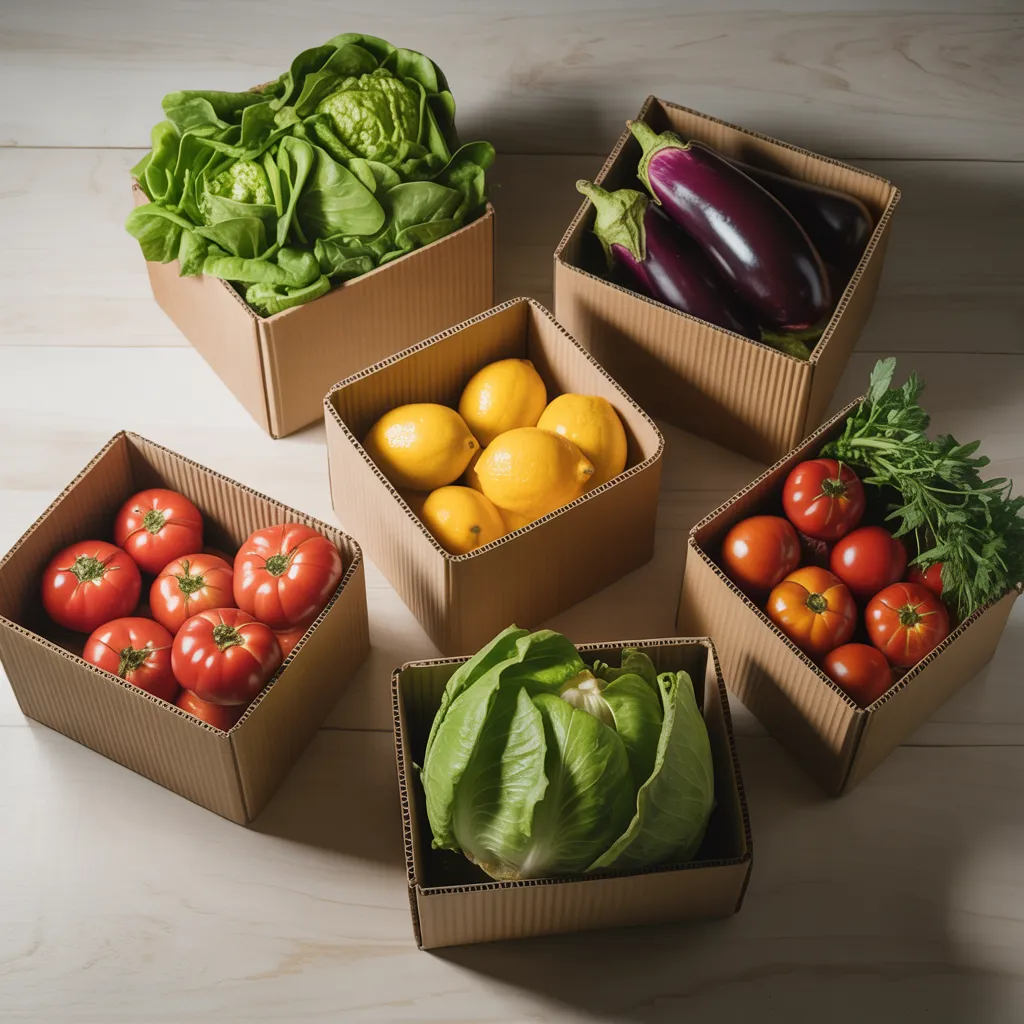
Which Materials Are Utilized in Eco-Friendly Vegetable Boxes?
While diverse elements can be utilized for agricultural containers, those designed with green consciousness in mind often contain options like reclaimed cardboard, wave paper, and biodegradable plastics. Post-consumer cardboard is a preferred selection due to its light weight and competence to be repurposed several times, limiting general waste. Corrugated paper supplies stability, making it appropriate for delivering heavier items while being sustainable.
Biodegradable plastics, typically sourced from plant-based materials, constitute a viable alternative to traditional plastics, breaking down more quickly in natural environments. Additionally, some eco-friendly produce boxes feature sustainable inks and adhesives, further reducing their environmental impact.
These materials not only ensure the freshness of the produce but also helpful guide meet the growing consumer demand for eco-friendly packaging solutions. By choosing these environmentally responsible options, manufacturers contribute to a closed-loop system, advancing a healthier planet while delivering fresh products directly to consumers.
Biodegradable versus Recyclable: Which is More Beneficial?
The argument over biodegradable versus recyclable materials in eco-friendly produce boxes centers on their ecological impacts and durability. Biodegradable types naturally break down, possibly reducing landfill waste, while recyclable items may be repurposed but commonly need energy-intensive methods. Understanding these factors is essential for consumers seeking to make environmentally responsible decisions.
Ecological Impact Review
When reviewing the environmental impact of packaging options, the choice between biodegradable and recyclable materials often appears as a critical consideration. Biodegradable materials break down naturally, cutting down landfill waste and improving soil health. However, their decomposition requires specific conditions, which might not always be present in typical waste management systems. Meanwhile, recyclable materials can be sorted and reused, cutting the dependency on virgin resources. Still, their recycling efficiency is heavily reliant on local infrastructure and consumer engagement. Each option offers its advantages; biodegradable materials contribute positively to the environment in the long term, while recyclable materials can be more productive in conserving resources. In the end, the choice depends on specific contexts, including local waste management capabilities and user behavior.
Material Longevity Factors
Assessing the durability of materials is important when deciding if biodegradable or recyclable options are better suited for environmentally friendly produce boxes. Materials that are biodegradable, like plant-based plastics, naturally break down over time but may need particular environmental conditions to decompose effectively. On the other hand, recyclable materials such as cardboard and some plastics can be reused many times, reducing waste overall. Nevertheless, the recycling process consumes energy and resources, which impacts their sustainability profile. The decision between these two usually depends on the intended usage of the boxes and local waste management habits. In the end, knowing durability factors aids both consumers and businesses in making smart decisions that support their environmental objectives while keeping the freshness of the produce.
The Method Eco-Conscious Materials Supports Nearby Farmers
Sustainable packaging modifies the way local farmers send their produce, establishing a direct connection between sustainable business methods and consumer preferences. By adopting biodegradable and recyclable materials, farmers can boost their brand image and appeal to a expanding audience that values sustainability. This shift not only supports green programs but also develops community loyalty, as consumers are more likely to support farmers who share their values.
In addition, eco-friendly packaging typically extends the longevity of products, ensuring that produce stays ripe during transit and at point-of-sale. This can lead to higher sales and less spoilage, helping local economies. Using sustainable practices also creates opportunities for collaboration with local businesses and markets, promoting a circular economy.
In this manner, eco-friendly wrapping functions as an crucial resource for regional agricultural producers, allowing them to flourish while simultaneously contributing to ecological responsibility and community well-being.
Why Environmentally Conscious Materials Cut Down on Food Waste
Eco-friendly packaging operates as a major factor in lowering food waste, enhancing the work of local farmers who adopt sustainable practices. By applying eco-friendly and reusable materials, these packages decrease environmental impact while making sure that produce stays fresh for prolonged timeframes. Properly designed packaging stops spoilage during transportation and storage, confronting a critical point in the supply chain where food is often lost.
Moreover, nature-friendly options typically feature moisture regulation and ventilation systems, which are essential for preserving the standards of fruits and vegetables. This not only prolongs shelf life but also inspires consumers to obtain more produce without the fear of it going bad. As a result, the use of ethical packaging helps to a regenerative economy by supporting responsible consumption and reducing the overall volume of waste generated. In turn, this fosters a more sustainable food system that benefits both consumers and producers alike.
Tips for Maximizing Quality in Your Produce Delivery
To ensure the optimal freshness of produce deliveries, consumers should pay attention to storage conditions immediately upon arrival. First, it is essential to unpack the items promptly and evaluate their condition. Leafy greens and herbs flourish in a cool, humid environment, so storing them in the refrigerator's crisper drawer is advisable. Conversely, fruits like bananas and avocados may require room temperature to ripen properly before refrigeration.
In addition, customers should divide fruits generating ethylene, such as apples and tomatoes, from tender produce to avoid early rotting. Good ventilation is also critical; keeping produce in breathable bags can help retain freshness.
Regularly inspecting the items for signs of spoilage guarantees that any affected produce is removed before it impacts others. Finally, using produce within its optimal window improves flavor and nutritional value, assuring that the advantages of eco-friendly delivery are fully achieved.
Frequently Requested Questions
What Approaches Are Available to Tailor My Eco-Friendly Produce Box?
To personalize an green fruit and vegetable box, one can choose preferred fruits and vegetables, specify container dimensions, pick delivery frequency, and select environmentally responsible packaging choices, ensuring a personalized and environmentally conscious experience tailored to individual preferences.
Can You Find Size Options for Different Produce Kinds?
Yes, various size choices exist to accommodate different types of produce. These sizes address individual preferences and amounts, ensuring that customers receive the perfect container for their specific needs and items.
May I Procure These Boxes in Wholesale Quantities?
Yes, bulk orders of the boxes are obtainable. Customers can pick various quantities to fulfill their needs, confirming that they have ample supply for their produce while sustaining sustainability in their packaging choices.
Does Green Produce Boxes Contain Heat Insulation?
Eco-friendly produce boxes typically include insulation to preserve optimal conditions and freshness during transit. This feature ensures that perishable items remain protected, enhancing their quality while following sustainable packaging practices in the delivery process.
How Long Does Normal Delivery Require for These Boxes?
Commonly, arrival timeframes for these orders extend from one to three days, depending on the location and the logistics company. Customers can expect timely arrivals to preserve excellent quality for the produce inside.